


Exploring Tyler Farm: A Sustainable Approach
When I first stumbled upon the idea of sustainable farming, I was curious but a bit overwhelmed. How do you balance nature, animals, and productivity without tipping the scales? That’s when I discovered Tyler Farm, a place that truly embodies a sustainable approach to farm life. Their passion for Olde English Babydoll Southdown sheep and commitment to eco-friendly practices inspired me to dig deeper and share what I’ve learned with you.
What Is Sustainable Farming? A Simple Overview
Sustainable farming isn’t just a buzzword. It’s a way of working with the land that respects the environment, supports animal welfare, and benefits the community. Think of it as farming with a conscience. Instead of pushing the land to its limits, sustainable farmers nurture it, ensuring it stays healthy for generations to come.
Here’s what sustainable farming usually involves:
Soil health management: Using natural compost, crop rotation, and cover crops to keep the soil rich and alive.
Water conservation: Employing drip irrigation or rainwater harvesting to reduce waste.
Animal welfare: Providing animals with space, proper nutrition, and humane treatment.
Biodiversity: Encouraging a variety of plants and animals to create a balanced ecosystem.
Reduced chemical use: Minimizing or eliminating synthetic pesticides and fertilizers.
This approach isn’t just good for the planet; it often results in tastier, healthier food and a more rewarding farming experience.
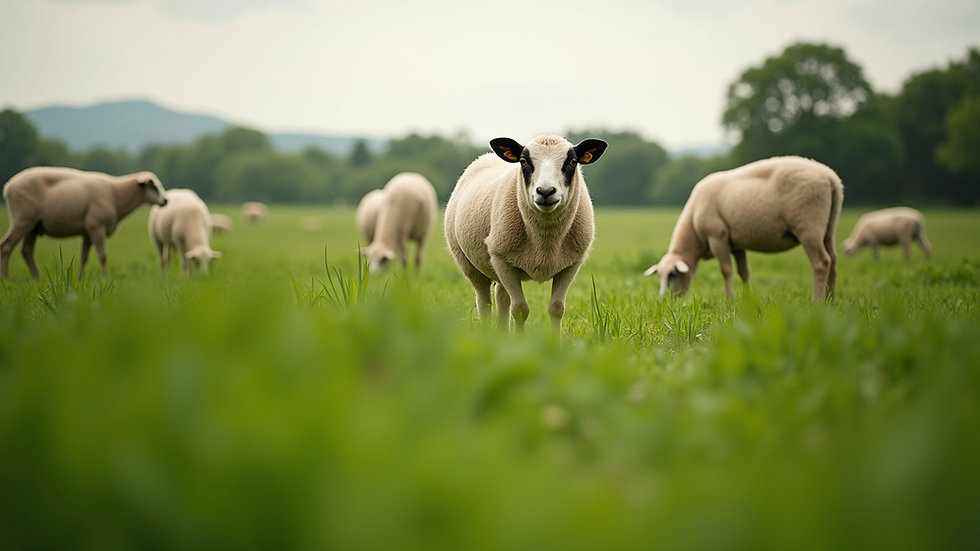
Sustainable Farming Overview at Tyler Farm
Tyler Farm is a shining example of how sustainable farming can work beautifully in practice. Nestled in a community that values rural life, this farm focuses on raising Olde English Babydoll Southdown sheep, a breed known for its gentle nature and manageable size. But it’s not just about the sheep; it’s about creating a balanced, thriving farm ecosystem.
What sets Tyler Farm apart is their holistic approach:
Pasture-based grazing: Their sheep roam freely on nutrient-rich pastures, which helps maintain soil fertility naturally.
Rotational grazing: Moving sheep between pastures prevents overgrazing and encourages grass regrowth.
Composting: Farm waste and manure are composted to enrich the soil without chemicals.
Community involvement: They offer notary services and educational resources, connecting with locals beyond farming.
I love how Tyler Farm blends tradition with innovation. They honor old farming methods while embracing new ideas that protect the environment. It’s a model that anyone interested in sustainable living can learn from.

Why Choose Olde English Babydoll Southdown Sheep?
If you’re a sheep owner or thinking about adding sheep to your farm, you might wonder why Tyler Farm focuses on this particular breed. The Olde English Babydoll Southdown sheep are small, hardy, and incredibly friendly. They’re perfect for sustainable farms because:
Low maintenance: Their size means they require less feed and space.
Natural grazers: They help control weeds and promote healthy pastures.
Gentle temperament: Easy to handle, making them great for families or beginners.
Wool and meat: They provide quality wool and meat without the need for intensive farming.
I remember visiting Tyler Farm and being charmed by these little sheep. They’re like the friendly neighbors of the farm world, always curious and calm. Plus, their grazing habits support the farm’s sustainability goals by naturally managing the land.
If you’re considering sheep for your farm, these guys are worth a look. They fit well into a sustainable lifestyle and bring a lot of joy along the way.

Practical Tips for Starting Your Own Sustainable Farm
Feeling inspired to start your own sustainable farm? It’s easier than you might think, especially if you take it step by step. Here are some practical tips to get you going:
Start small: Begin with a manageable plot of land and a few animals or crops.
Know your soil: Test your soil to understand its needs and how to improve it naturally.
Choose the right animals: Select breeds that fit your climate and farm size, like the Olde English Babydoll Southdown sheep.
Plan your grazing: Use rotational grazing to keep pastures healthy.
Compost regularly: Turn farm waste into valuable fertilizer.
Conserve water: Use efficient irrigation and collect rainwater.
Educate yourself: Read, visit farms like Tyler Farm, and connect with local farming groups.
Engage your community: Offer services or workshops to build relationships and share knowledge.
Remember, sustainable farming is a journey, not a race. Celebrate small wins and learn from challenges. And don’t hesitate to reach out to farms like Tyler Farm for inspiration and advice.
Embracing Farm Life and Community Connections
One of the most rewarding parts of sustainable farming is the sense of community it fosters. Tyler Farm doesn’t just raise sheep and crops; they build connections. They offer notary services to locals, making the farm a hub for both rural life and practical needs.
This blend of farming and community service is a beautiful reminder that farms are more than just production sites. They’re places where people gather, learn, and support each other. Whether you’re a farm life enthusiast or someone who needs a notary, farms like Tyler Farm welcome you with open arms.
So, if you’re ever nearby, consider stopping by. You might leave with a new appreciation for sustainable farming, a few farming tips, or even a new friend in the sheep!
Exploring sustainable farming through the lens of Tyler Farm has been a delightful journey. Their commitment to the land, animals, and community shows that farming can be both productive and kind. If you’re dreaming of a farm that nurtures the earth and your soul, take a page from their book. Sustainable farming isn’t just a method - it’s a way of life worth embracing.


