


How to Set Up a Lambing Jug: A Step-by-Step Guide
Setting up the right lambing jug matters more than you think. It’s not just about putting up some fencing—this space gives your ewes and their newborn lambs a safe spot to get through one of the most critical moments in their lives. When things are done properly, you help your lambs start strong, and you cut down on trouble for yourself later.
What is a lambing jug? It's just a pen. Don't ask me how it got that name, other than at one time it was called jugging, which is bascially just removing the ewe and her newborn baby to a small pen. So, really, you're just building a small enclosure for them.
First off, why does a lambing jug even matter? Well, picture a ewe trying to give birth in a crowded barn with other animals around. She’s stressed. The lambs are at risk—maybe from cold drafts or from older animals accidentally stepping on them. But a dedicated lambing pen changes all that. It’s a quiet corner set up just for her, giving privacy and comfort. And for you? It makes checking on the ewe a lot easier, so you can spot problems fast and jump in if needed. Every extra minute counts here.
Picking the right spot is key. You want something accessible—no one likes racing to the pen with supplies in the middle of a storm. But don’t make it too close to noisy areas, either. Lambs and ewes need peace. Good drainage is huge; puddles mean trouble, like bacteria and disease. Find somewhere high and dry.

Now, let’s talk gear. Fencing is a must—go for strong panels or chain-link. Don’t skimp; lambs are small, but determined! Bedding comes next. Straw or wood shavings work well, soaking up messes and giving everyone a soft place to lie down. If you deal with winter chill, heat lamps can be lifesavers. Newborn lambs struggle with cold, so keep temps steady. Don’t forget simple things like water and feed troughs. Ewes can get dehydrated fast—fresh water’s a must. And the right food keeps her energy up so she can care for her lambs.
It’s smart to have a lambing kit close by. That means gloves, iodine for dipping navels (cuts infection risk), scissors (snipping cords), and a few basic medications, depending on what local vets recommend. Being prepared saves time—and sometimes, lambs.
Want to go the extra mile? Some folks add a creep feeder for older lambs, letting them snack without competing with mom. Shelter helps, especially if storms roll in—tarps or portable huts work. If you like tech, set up a camera. It’s a simple way to monitor births—sometimes you spot issues right on your phone, without poking your head in every hour.

Setting Up a Lambing Pen: Your Guide to a Safe Start for Newborns
Lambing season can feel like both a marathon and a sprint. You’ve got ewes pacing the fields, you’re watching for signs of labor, and the tension’s rising as you try to prepare everything for that crucial moment when the lambs arrive. So, let’s talk about how to set up your lambing pen—a space that’s not just a practical necessity, but the heart of good flock management and the first safeguard for the newborns.
Let me walk you through each step with a bit more detail, sharing the kind of insights that only come from being out in the barn, mud on your boots, and hands full of straw (and hair if you're anything like me. Don't ask how it gets there, I have no idea).
Step 1: Build Your Enclosure
First up—building your pen. This isn’t just about throwing some fencing together. You want a space that helps ewes feel secure and keeps lambs protected, but you also need room to move. Ideally, give each ewe-lamb pair at least 12 square feet, though a bit more always feels better if you have the room. It helps prevent crowding, which can stress the ewes, and it gives lambs space to stretch and explore once they’re up and running.
The fencing itself should be sturdy and easy to clean. If you’re working with panels, make sure they’re high enough that ewes won’t jump out, but low enough that you can step in easily if needed. Gate latches need to be both animal-proof and easy to open in a hurry. As you set up the fence, double-check for gaps or sharp edges. You want a pen where you can reach every corner without stumbling or getting snagged.
If you’re lambing indoors, ventilation matters. Too much draft and it gets cold, but poor airflow means ammonia builds up from urine and bedding, making the air stifling and unhealthy. You’re going for a sweet spot—enough movement that fresh air replaces the stale, but without freezing your animals.
Step 2: Bedding—Clean, Cozy, Safe
The next step is bedding. You need several inches; enough so ewes can nest comfortably, and so lambs don’t end up lying on cold concrete. Straw is a classic choice: it’s soft, absorbent, and easy to replenish. Some folks use wood shavings, but straw is easier for lambs to get their footing when they’re learning to stand.
What’s crucial here is cleanliness. Start with a pen that’s swept out, then lay down fresh, dry bedding. Check daily, and add more as needed. After birth, bedding gets wet fast—so keep extra close. Damp bedding breeds bacteria, and that’s the last thing you want when you’ve got newborns whose immune systems aren’t up to speed yet.
One tip: Don’t just pile the bedding. Make sure it’s spread evenly, and try to fluff it up in the nesting area so ewes can dig in and make a nest. This simple touch helps keep lambs warmer and calmer. Plus, if you don't, they'll do it anyway, so why not give them a hand.
Step 3: Feeding and Water Stations—Think Ahead
Food and water deserve careful placement. Don’t underestimate how picky ewes are about their space. If feed buckets or troughs are right next to bedding, you end up with spilled grains, scattered hay, and, frankly, mess everywhere. Worse, contaminated feed can make your ewes sick.
Set troughs away from bedding, ideally in corners where animals can reach without crowding each other. Water buckets should be low enough for ewes to drink easily, but not so low that lambs end up splashing and making a mess. Clean buckets daily, and check that water isn’t freezing overnight—cold snaps will surprise you and stressed ewes need hydration for milk production.
If possible, hang feeders from panels, or use rubber mats underneath to catch spills. The less feed mixes with bedding, the better. For new lambs, you’ll eventually introduce creep feeders within easy reach, but for now, focus on keeping everything tidy, full, and accessible.
Step 4: Have Your Health Supplies Ready
Lambing kits aren’t just for emergencies—they’re lifesavers in the chaos of delivery. Set up a kit with gloves, towels, lubricant, iodine for umbilical cords, syringes, and whatever else your flock usually needs.
But don’t stash this kit in the pen itself. Keep it close—say in a sealed box on a nearby shelf or hook—so you’re not scrambling as contractions start. You want things at arm’s reach, organized and visible, neither exposed to curious ewes nor lost in a corner. Add extras like headlamps, scissors, and your vet’s number (you’ll need it more often than you think, especially if you’re new to lambing).
During long nights, have a thermos of coffee nearby and your phone charged. Trust me, you’ll be grateful for both.
Step 5: Monitor Pen Conditions—Stay Alert
Temperature and airflow are your silent helpers. With newborn lambs, hypothermia is a real risk. You want the pen warm enough for lambs to dry off quickly and start nursing, but not so hot that ewes get stressed.
Try to keep the pen around 50–60°F (10–16°C) if possible. If your barn is unheated, use heat lamps, but always mount them safely—away from flammable bedding, at a height that lambs can’t touch, and secured against bumps. Some farms use brooders or radiant panels. Whatever you use, check twice for safety.
Ventilation helps clear out ammonia—so keep vents open, but watch for drafts. If wind’s coming through, tack up some tarp or boards as shields.
Between deliveries, clean the pen at least daily. Remove wet bedding, air out the space, and restock supplies. Quick cleanups matter: lambs are more vulnerable than most people realize.
Step 6: Ready for Action—Stay Flexible
Expect the unexpected. Some ewes lamb quickly, others take hours, and not every delivery goes by the book. Others will just be sitting there with a baby curled up next to them (ahem, Noah). Set up a notebook or digital log to track each ewe’s ID, delivery date, medical care, and lamb details. This makes record-keeping easier and lets you spot trends in behavior or health problems over time.
When lambs arrive, give them time to bond and nurse before intervening—unless you see signs of trouble. Ewes sometimes need encouragement, and new lambs can struggle to find the teat. Stay alert, but don’t hover so much you stress the animals.
If you need to step in, have towels ready to dry lambs, stimulate breathing, or assist with presentation. Once lambs are on their feet, use iodine to dip their navels—preventing infection in those crucial first hours.
Sometimes it’s overwhelming, sure. But being prepared lets you work calmly and confidently when things go sideways.
Some Extra Tips and Tricks
Let’s dig into the nitty-gritty stuff that often gets overlooked. For one, lighting matters—a dim space helps keep animals calm, but make sure you can see what you’re doing. Install adjustable lights if you can.
Noise is another factor. Loud sounds stress ewes, so keep machinery away during lambing. Soft voices and slow movements go a long way.
Arrange your pens so you can move easily between them, especially if you’re lambing multiple ewes at once. Don’t block yourself in—think ahead about where you’ll walk when you’re tired and the barn’s busy.
If you’re short on space, consider temporary enclosures built from panels or crate sections. Sheep adapt quickly if the new area’s clean and cozy.
Bring in a helper for busy nights. Two sets of hands make everything easier, from flipping bedding to monitoring lambs.
Remember to keep records handy—for medication, births, weights, and anything else your vet might ask for. It might seem tedious, but you’ll be grateful later, especially tracking growth or troubleshooting problems.
Why It Matters
You might wonder why all this fuss matters—why not just let ewes lamb out on the pasture? But the truth is, a well-planned lambing pen saves lives. It lowers risks from predators, cold, disease, and keeps you close for those moments when quick help makes all the difference.
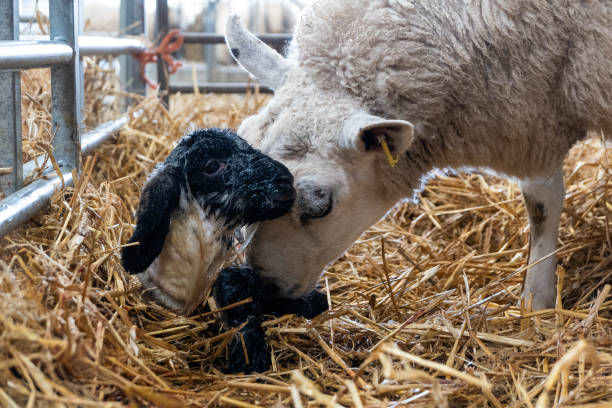
The pen isn’t just a piece of equipment; it’s the center of your operation when lambs start coming fast. It’s where you see the first breath, the first wobbly steps, mama protecting her baby, and, if you’re lucky, the start of strong, healthy sheep that grow up to thrive in your flock.
Final Thoughts
Setting up your lambing pen takes time, effort, and a bit of creative thinking. It’s not just about following a checklist—it’s about looking ahead, problem solving, and making things comfortable for your animals and yourself.
The better your setup, the smoother lambing season goes. You’ll spend less time chasing problems and more time enjoying those precious moments when new life fills the barn.
If you’re new to the game, don’t hesitate to ask questions. Local farmers, online communities, and extension offices offer loads of advice. Sometimes, a simple tip from someone who’s been through it makes all the difference.
So, get your pen ready, stock up your supplies, and brace yourself for some long nights, quick decisions, and—hopefully—healthy, happy lambs bouncing around by morning. Good luck, and enjoy the ride (I think).


