


Maximize Winter Downtime — Clean, Repair, and Organize Your Tools Now
When winter sets in and outdoor tasks begin to taper off, it’s an ideal opportunity to focus on maintaining your tools and equipment. The slower pace of the season allows you to thoroughly clean, repair, and organize your gear without the pressure of ongoing projects. Taking this time now means your equipment will be ready to go when work picks up again, and it also helps extend the life of your investment. Regular upkeep keeps everything in top working order, minimizes unexpected breakdowns, and ensures you can rely on your gear when you need it most.
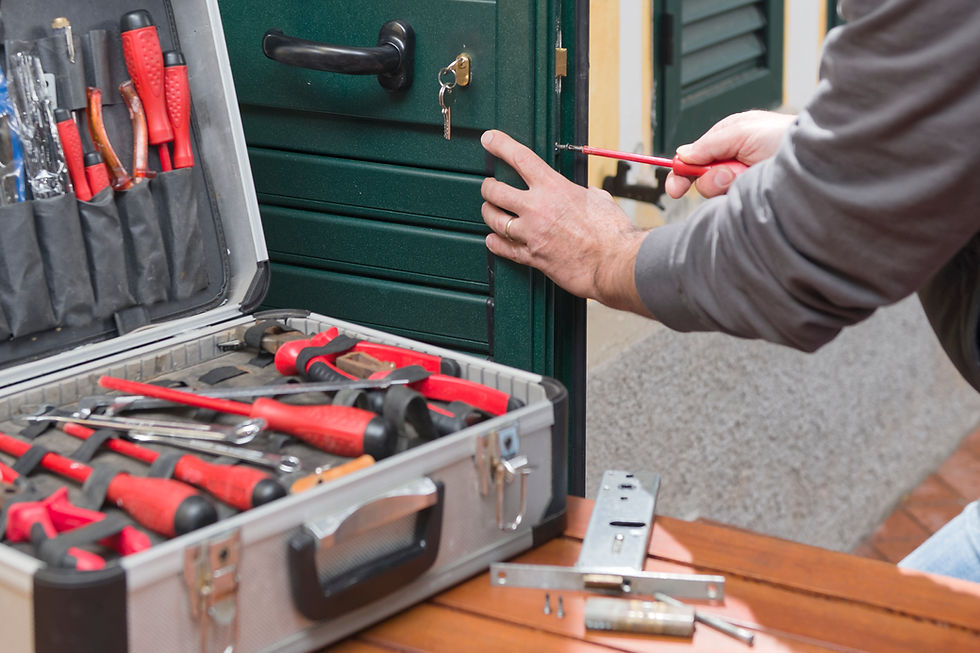
Why regular maintenance is essential
Prevent costly breakdowns: Proactive maintenance is your best defense against expensive repairs. Small issues—like a loose screw, a bit of rust, or a dull blade—can quickly turn into major problems if ignored. For example, skipping routine oil changes in power equipment can lead to engine failure, which is far more costly and time-consuming to fix than basic preventative care. Many seasoned professionals in construction, landscaping, and other hands-on industries agree that catching and correcting minor problems early is the best way to avoid major disruptions and extend the lifespan of your gear.
Boost efficiency and productivity: Well-cared-for tools don’t just last longer—they also work better. Sharp blades cut cleaner and faster, motors run more smoothly, and parts fit together as they should. Well-maintained tools help you work more efficiently, saving time on the job and reducing frustration. Keeping your workshop or storage area organized is another aspect of maintenance that’s often overlooked. When your tools are cleaned, sorted, and stored properly, you can find what you need quickly and get started on your projects without unnecessary delays.
Improve safety: Proper maintenance also keeps you and your team safer. Worn-out or malfunctioning tools can be dangerous, increasing the risk of accidents and injuries. Regular inspections allow you to spot potential hazards before they cause harm, such as frayed cords, cracked handles, or loose parts.

How to properly clean and maintain your tools
Start with a thorough cleaning: Begin by removing dirt, grease, and debris from all your tools. For hand tools, use a stiff brush, soapy water, or a damp cloth to wipe away grime. If you spot any rust, treat it with a wire brush, steel wool, or fine-grit sandpaper until the metal is clean and smooth. Once cleaned, dry your tools thoroughly and apply a light coat of oil to metal surfaces to prevent future rusting. This is especially important in humid environments or if your tools are stored in an unheated space over the winter.
Inspect and repair as needed: While you clean, take a close look at each tool. Check for cracks, loose parts, or other signs of wear. Tighten screws, replace broken handles, and sharpen cutting edges. For garden tools, use a file to restore a sharp edge; for woodworking tools, a sharpening stone or specialized tool sharpener works best.
Give special attention to power tools: Power tools require a bit more care due to their complexity. Always unplug cords or remove batteries before beginning any maintenance. Clean vents and fans to keep dust from accumulating and causing overheating. Check cords for damage and replace them if necessary. Review the manufacturer’s manual for specific recommendations—many power tools have filters, belts, or other components that need to be cleaned or replaced periodically. Lubricate moving parts as recommended to keep everything running smoothly.
Store equipment properly: Once your tools are clean and in working order, store them in a dry, organized space. Hang tools on racks, use pegboards or toolboxes, and keep accessories sorted. This not only protects them from damage but also makes it easier to take inventory and spot missing items.
Take advantage of downtime: Winter is also a good time to assess your equipment needs. Make a list of tools that need to be replaced or upgraded, and watch for seasonal sales. By preparing now, you’ll be ready to hit the ground running when the weather warms up.

Repairing Equipment
Identifying problems with your tools doesn’t have to be complicated, but it does require a careful eye. Start by inspecting for obvious issues like loose screws, frayed wires, or worn-out parts—these can lead to bigger problems if ignored. Pay special attention to power tools, as electrical faults or dull blades can affect both performance and safety. Using a thorough checklist is highly recommended; it’s surprisingly easy to overlook something when you’re in a hurry or dealing with a lot of equipment. A systematic approach ensures you catch even small issues before they become major repairs.
DIY Repairs vs. Calling a Pro
Determining whether to fix your tools yourself or call in a professional is an important decision. Many basic repairs—like tightening screws, replacing batteries, or cleaning out dust—can be handled at home with a bit of know-how and the right manual. However, more complex repairs, especially those involving electrical components or specialized mechanisms, are best left to experts. Attempting to fix these yourself might void the manufacturer’s warranty or cause further damage, ultimately costing more in the long run. Always check if your tool is still under warranty before starting any work; repairs covered by the warranty should be handled by authorized service centers. Remember, investing in professional help when needed protects both your tools and your safety.

Organizing Your Workspace
After your tools are clean, repaired, and ready for use, turning your attention to workspace organization can transform your entire workflow. A clutter-free workspace not only boosts productivity but also makes working more enjoyable. Start by clearing out any unnecessary items and giving all surfaces a good wipe-down. Consider sorting your tools into categories—such as hand tools, power tools, or specialty equipment—or organizing them based on frequency of use. This way, your most-used items are always within easy reach, and you won’t waste time searching when you’re in the middle of a project. A well-organized space also reduces the risk of accidents, since you’re less likely to trip over misplaced tools or knock something over.
Storage Solutions
Investing in effective storage solutions can greatly extend the life of your tools. Options like pegboards, shelves, wall-mounted racks, or a sturdy tool chest can be customized to fit the size and layout of your workspace. Labeling each section or drawer ensures that every tool has a designated spot, making cleanup faster and keeping your space neat. For small parts and accessories, consider using clear storage bins or dedicated organizers, so you can easily see what you have on hand. Climate-controlled storage is ideal for preventing rust or corrosion on metal tools, especially during the humid months. Taking a little extra time to plan your storage now will pay off with smoother, more efficient projects in the future.
Conclusion
The slower pace of winter offers the perfect opportunity to focus on tool and workspace maintenance. Setting aside time to clean, repair, and organize your equipment now will ensure you’re fully prepared when the busier seasons arrive. Regular upkeep not only extends the lifespan of your tools but also enhances efficiency and safety on every job. If you haven’t begun this process yet, now is the time to start. Take a close look at your gear, address any issues, and arrange everything so it’s ready for action. Establishing a routine maintenance schedule—complete with periodic inspections and cleaning—will keep your tools performing at their best all year long. With a little effort invested now, you’ll save time, money, and frustration down the road, ensuring every project gets off to a smooth start.


