


The Business of Lambing Season: What You Need to Know
Lambing season stands as one of the most pivotal periods in the annual cycle of sheep farming. It’s not just the arrival of new lambs that makes this time so important—it’s the potential to shape the entire year’s productivity, profitability, and the wellbeing of your flock. For both experienced producers and those new to sheep farming, the right preparation and attentive care can mean the difference between a thriving flock and a difficult season. Let’s delve into key strategies for managing lambing season effectively, with a focus on planning, nutrition, hands-on care, and proactive health management.
Timing and Facility Readiness
Success during lambing begins well before the first ewe shows signs of labor. Most lambing typically occurs between late winter and early spring, but this window can vary based on flock genetics, regional climate, and management goals. Regardless of your specific lambing schedule, early preparation is critical. Start by thoroughly cleaning and disinfecting lambing pens and sheds, removing any old bedding or debris that could harbor disease. Lay down deep, clean bedding—such as straw or wood shavings—to provide insulation and a dry environment. Ensure all heat sources, like heat lamps or pads, are in safe working order. Hypothermia is one of the leading causes of early lamb losses, especially in cold climates, so double-check for drafts and keep lambing areas warm and sheltered.
Ewe Nutrition and Health
The nutritional needs of your ewes increase dramatically as lambing approaches, particularly in the final six weeks before birth. This is when fetal growth accelerates and the ewe’s body prepares for milk production. Provide a balanced, high-quality ration rich in energy, protein, and essential minerals like calcium and selenium. Supplement with vitamins A, D, and E to support immune function and healthy lamb development. Monitor body condition scores regularly; ewes that become too thin or too fat may experience complications. Don’t forget to provide constant access to fresh, clean water and consider offering mineral blocks or loose minerals tailored for sheep. Collaborate with your veterinarian or a livestock nutritionist to fine-tune your feeding program and address any deficiencies before they impact flock health.
The Critical Hours After Birth
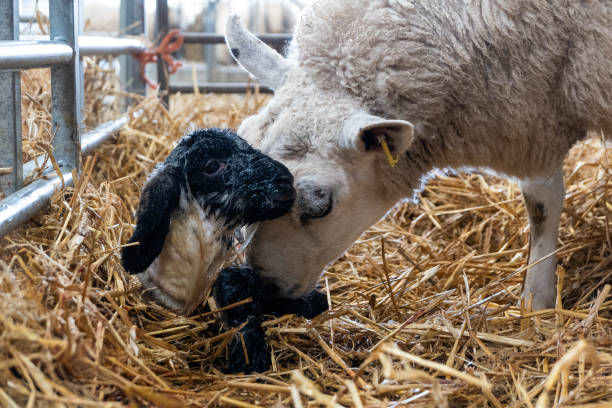
When lambing begins, it’s vital to provide attentive and calm supervision. Most ewes lamb without assistance, but you should remain nearby to intervene if necessary. Immediately after birth, focus on ensuring each lamb receives colostrum within the first two hours. This nutrient-rich first milk is packed with antibodies that provide essential protection against disease. If a lamb is weak, cold, or struggling to nurse, act quickly—warm the lamb, assist with feeding, and, if needed, use a stomach tube to deliver colostrum. Watch closely for signs of distress, such as labored breathing, failure to stand, or lack of coordination. The first hours of life are a window of vulnerability, but also of opportunity to set lambs up for a strong start.
Ongoing Care and Health Management
Lambing season is a test of endurance for both farmer and flock. Vigilance is key—monitor ewes and lambs for common health issues such as hypothermia, pneumonia, navel infections (joint ill), and starvation. Keep detailed records of births, treatments, and any interventions, as this information will be invaluable for evaluating outcomes and improving your management year over year. Establish a relationship with a knowledgeable veterinarian who can advise on difficult births, disease outbreaks, or other complications. Implement a vaccination protocol tailored to your region’s disease risks; vaccines against clostridial diseases and tetanus are especially important for young lambs. Good biosecurity, including limiting visitor access and disinfecting equipment, further reduces disease risk.
Maximizing Success and Looking Ahead
While lambing season is undeniably busy and demanding, it is also deeply rewarding. With careful planning, diligent observation, and a commitment to best practices, you can maximize lamb survival, boost growth rates, and set your flock on a path to a productive year. Remember, every hour invested in preparation and hands-on care pays dividends in healthier animals and more profitable operations. Embrace the challenges and opportunities of lambing season, and you’ll find it becomes one of the most satisfying aspects of shepherding.
Management Strategies for Enhanced Efficiency
Comprehensive Record Keeping
Meticulous record keeping is the foundation of an efficient and successful lambing season. By systematically documenting critical details such as breeding dates, lamb birth weights, maternal performance, incidences of illness, vaccination schedules, and daily feeding routines, you ensure that no aspect of your flock’s management is left to chance. These well-maintained records not only allow you to monitor individual animal progress and overall flock health, but they also provide valuable data for analyzing trends over multiple seasons.
For example, tracking birth weights and growth rates can help you identify which ewes consistently produce strong offspring, informing your future breeding selections. Additionally, thorough health records make it easier to detect patterns in disease outbreaks, enabling you to implement preventive measures proactively. In the long term, robust record keeping empowers you to refine your management practices, optimize productivity, and make informed, data-driven decisions that benefit both animal welfare and your bottom line.
Effective Staff Training and Team Coordination
A knowledgeable and well-prepared team is essential for ensuring a smooth and successful lambing season. Invest time in comprehensive staff training, focusing on critical skills such as safe animal handling, accurate identification of health issues, correct feeding protocols, and efficient response to emergencies like difficult births or sudden illnesses. Regular workshops and hands-on practice sessions can boost confidence and competence among staff members, reducing the risk of errors during high-pressure periods.
Encourage open communication and a culture of teamwork, where every member understands their responsibilities and feels comfortable reporting concerns or seeking advice. When your staff operates with a shared understanding of best practices and a commitment to animal welfare, the entire lambing process becomes more streamlined, and the stress on both people and animals is significantly reduced. Ultimately, investing in your team’s expertise pays dividends in smoother operations and healthier, more productive livestock.

Maximizing Profit Opportunities During Lambing Season
Staying Attuned to Market Trends
To ensure the maximum financial return from your lamb crop, it is crucial to stay informed about current market conditions and buyer preferences. Monitor fluctuations in meat and wool prices, both locally and regionally, and be aware of factors such as seasonal demand, market shortages, and the quality attributes buyers are seeking. Networking with processors, attending livestock auctions, and subscribing to market reports will keep you abreast of emerging opportunities. By timing your sales to coincide with peak demand or premium pricing periods, you can substantially increase your revenue.
Additionally, understanding the specific requirements of different market segments allows you to tailor your production—whether that means finishing lambs to a certain weight, prioritizing wool quality, or targeting niche markets such as organic or grass-fed lamb. This market-driven approach not only maximizes profit but also ensures your operation remains relevant and competitive.
Diversifying with Value-Added Products
Expanding beyond traditional lamb and wool sales by developing value-added products can open new revenue streams for your operation. Consider processing your lambs into specialty cuts, gourmet sausages, jerky, or ready-to-cook meal kits, either on-farm or through partnerships with local processors. These products often command higher prices and appeal to a broader range of customers, from busy families seeking convenience to foodies looking for unique offerings.
Packaging and branding your products with a focus on quality, traceability, and sustainable practices can further set you apart in the market. Additionally, exploring agritourism opportunities or farm-direct sales events can foster direct relationships with consumers, boosting loyalty and word-of-mouth marketing. By embracing value addition, you not only increase profitability but also enhance the resilience of your business against market fluctuations.
Embracing Continuous Improvement for Lasting Success
While lambing season presents a host of challenges, it is also a time rich with potential for growth and success. By prioritizing meticulous management, investing in staff development, and staying attuned to evolving market dynamics, you can turn the complexities of this busy season into tangible rewards. Remember that adaptability and a willingness to learn are your greatest assets; the most successful producers are those who regularly review their practices, seek out new knowledge, and are open to innovation. By fostering a culture of continuous improvement, you position your operation to thrive not only during lambing season but throughout the entire production cycle, ensuring a sustainable and profitable future for your farm.


