


Valentine's Lambing Joy! Countdown to New Spring Arrivals
As the chill of winter starts to fade and the first green shoots push through the soil, anticipation builds across farms and pastures—it’s almost time for lambing season. For anyone who works with sheep, this is one of the most rewarding and lively periods of the year. Though Valentine’s Day isn’t exactly a rural holiday, it serves as a gentle nudge that soon enough, new lambs will be bleating in the barn, signaling fresh beginnings for the flock.

Key Indicators of Approaching Lambing
Preparing for lambing is about more than just marking dates on the calendar. It’s a time to double-check supplies, review birthing protocols, and make sure both the ewes and their soon-to-arrive lambs have everything they need. A well-organized lambing season not only boosts survival rates for the newborns but also sets the tone for the farm’s productivity over the coming year. Healthy lambs mean stronger flocks and, ultimately, a sustainable income for the farmer.
Recognizing when lambing is near is crucial. Experienced shepherds know to watch for behavioral cues: ewes may become more restless or separate themselves from the flock, seeking quiet corners. Physically, their udders will begin to swell as milk production ramps up, and you might spot colostrum—the vital first milk essential for a lamb’s immune system. These signs are your cue to prepare the lambing pens, gather clean bedding, and assemble necessary tools like iodine for navel dipping and lambing ropes for difficult births.
Offering extra nutrition to pregnant ewes in the final weeks is also important. Providing high-quality hay, mineral supplements, and plenty of fresh water supports healthy lamb development and boosts the ewe’s strength for delivery. If you’re new to lambing or want to brush up on best practices, organizations like the American Sheep Industry Association offer detailed guides and troubleshooting tips.
Beyond the practicalities, lambing season brings a sense of community and purpose. Many farmers swap stories, lend a hand during long nights, and even invite local school groups to witness the miracle of new life. It’s a reminder that farming is as much about nurturing life as it is about producing food and fiber.
Creating a Safe and Comfortable Lambing Area
Preparing the right environment is essential when getting ready for lambing. The area where ewes give birth should feel secure and welcoming, ensuring both mothers and their newborn lambs remain healthy and calm. Start by thoroughly cleaning the space and laying down a deep layer of straw bedding. Straw not only provides a soft surface for the sheep to lie on but also helps insulate against the cold and allows lambs to move around easily. Make sure the area is well-ventilated to prevent respiratory issues, but take care to block off any spots where cold drafts could seep in, as newborn lambs are especially sensitive to temperature changes.
Safety is another critical concern. Walk through the lambing area before the season begins, removing any sharp objects, protruding nails, or loose boards that could injure animals. It’s also wise to have sturdy, easy-to-clean lambing pens or jug pens (individual pens for ewes and their lambs) ready, which help with bonding and make monitoring easier. If you’re new to lambing, consider reaching out to your local agricultural extension service or a nearby experienced shepherd for advice—they often offer workshops or resources that can help.

Essential Equipment and Supplies
Being well-prepared ahead of time can make all the difference during lambing season. Have the following supplies on hand and organized so you’re ready for anything:
Lambing kits: Assemble a kit with all the essentials: iodine or chlorhexidine solution for dipping umbilical cords to prevent infections, clean towels for drying off wet lambs, disposable gloves to maintain hygiene, and lubricant in case you need to assist with delivery. It’s also helpful to have a digital thermometer, scissors, and a notebook for recording births and any treatments given. If you’re looking for ready-made kits or specific supplies, companies like Premier 1 Supplies and Pipestone Veterinary Services offer lambing products online.
Heat sources: Since newborn lambs are vulnerable to hypothermia, especially in cold weather, have a heat lamp, infrared bulb, or a well-insulated warming box ready. Position any heat sources safely to prevent burns or fires. For very cold environments, consider a lamb jacket or sweater, which you can purchase or make from old sweaters.
Feeding supplies: Keep an ample supply of high-quality hay, grain, and fresh water available, as ewes require extra nutrition before and after lambing to support milk production. In case a lamb is weak or the ewe can’t nurse, be prepared with colostrum replacer, lamb bottles, and nipples. Organizations such as the American Sheep Industry Association provide guidelines on proper lamb nutrition and bottle-feeding techniques.
For additional guidance, many state university extension websites offer detailed lambing checklists and troubleshooting guides that can be invaluable for both new and experienced shepherds.
Supporting Ewes Through Delivery
Ewes are generally capable mothers, instinctively managing the birthing process with little need for intervention (our ewe Lainey delivered her son without us even knowing it until the next morning despite watching for all of the signs). However, it’s important to remember that complications can arise, especially if a lamb is positioned incorrectly or labor stalls. Familiarizing yourself with the stages of labor and the warning signs of trouble can make all the difference. If you notice a ewe straining for over an hour without progress, or if you see a single leg or tail emerging first, it’s time to step in. Have clean gloves, lubricant, and a gentle touch ready, but don’t hesitate to contact a veterinarian if you’re unsure or if things aren’t improving quickly. Timely assistance can save both the ewe and lamb, and your confidence will grow with each experience.
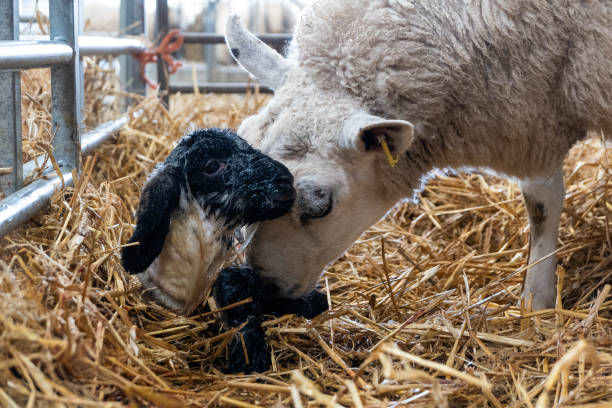
Caring for Newborn Lambs
Once the lamb hits the ground, prompt care is essential. The first hour of a lamb’s life is critical—this is when it should nurse and receive colostrum, the nutrient-rich, antibody-laden first milk. Colostrum not only jump-starts the immune system, protecting against infections and diseases, but also energizes the lamb after the stresses of birth. If a lamb is weak or struggling to nurse, you may need to help it find the teat or, if necessary, milk the ewe and feed the colostrum with a clean bottle. Having a supply of frozen or powdered colostrum on hand is an excellent backup plan.
Don’t forget about the ewe—monitor her for signs of distress, retained placenta, or excessive bleeding. A ewe that’s listless, not eating, or showing signs of infection needs immediate attention. Clean bedding, a sheltered environment, and access to fresh water are crucial for both ewe and lambs during this delicate period.
The Importance of a Successful Lambing Season
A well-managed lambing season has ripple effects throughout the farm. Each healthy lamb that thrives is a potential source of income—whether you’re raising stock for meat, wool, or to expand your flock. Ewes that recover quickly can return to grazing and be ready for their next breeding cycle sooner, which helps keep the operation running smoothly and efficiently. Farms that consistently produce healthy lambs develop a reputation for quality, which can open doors to premium markets and loyal customers.
Beyond the numbers, attentive care during lambing enhances animal welfare. Ewes that experience calm, supported deliveries are less likely to develop negative behaviors, and lambs that receive proper early care grow into robust, productive adults. Stress reduction isn’t just good for the animals—it makes your job more rewarding, too.

Practical Steps and Resources
With lambing often coinciding with the late winter months, now is the perfect time to get ready. Set up a clean, draft-free lambing area, and stock up on supplies like iodine for dipping umbilical cords, clean towels, and extra bedding. Consider creating a checklist of emergency contacts, including your vet and experienced shepherds in your community.
If you’re new to shepherding or looking to sharpen your skills, local extension offices and agricultural organizations are invaluable resources. Many offer hands-on lambing workshops, webinars, and printed guides tailored to your region. Online forums and social media groups dedicated to sheep farming can also be sources of real-time advice and camaraderie. The American Sheep Industry Association (sheepusa.org) and your state’s Cooperative Extension Service are excellent starting points for further learning.
Building Community and Confidence
Shepherding can feel overwhelming, especially during lambing, but you don’t have to go it alone. Networking with neighboring farmers or joining a local agriculture program connects you with people who have faced—and overcome—the same challenges. Sharing experiences and tips not only boosts your knowledge but also strengthens the rural community as a whole.
With Valentine’s Day signaling the approach of lambing season, now is the time to prepare. Equip yourself with knowledge, gather the right tools, and make connections that support your journey. Whether you’re a first-time shepherd or a seasoned hand, your dedication and preparation will pay off in the health of your animals and the success of your farm.
Here’s wishing you a smooth, fulfilling lambing season—full of healthy ewes, thriving lambs, and the satisfaction that comes from good stewardship. If you’re ready to make a positive impact, take the next step: seek out resources, ask questions, and embrace the rewarding work of shepherding.


